Book Appointment Now

Liposuction Surgery in Delhi NCR
Looking to address stubborn pockets of fat that have not responded to diet and exercise? Liposuction is a surgical body-contouring procedure that removes excess fat from specific areas of the body.
Izak Health helps patients connect with relevant doctors to discuss liposuction, understand the procedure and explore suitable treatment options at the healthcare facilities where those doctors practise.
A specialist can assess your goals, explain the potential benefits and risks, and help determine whether liposuction may be appropriate for you.
What Is Liposuction?
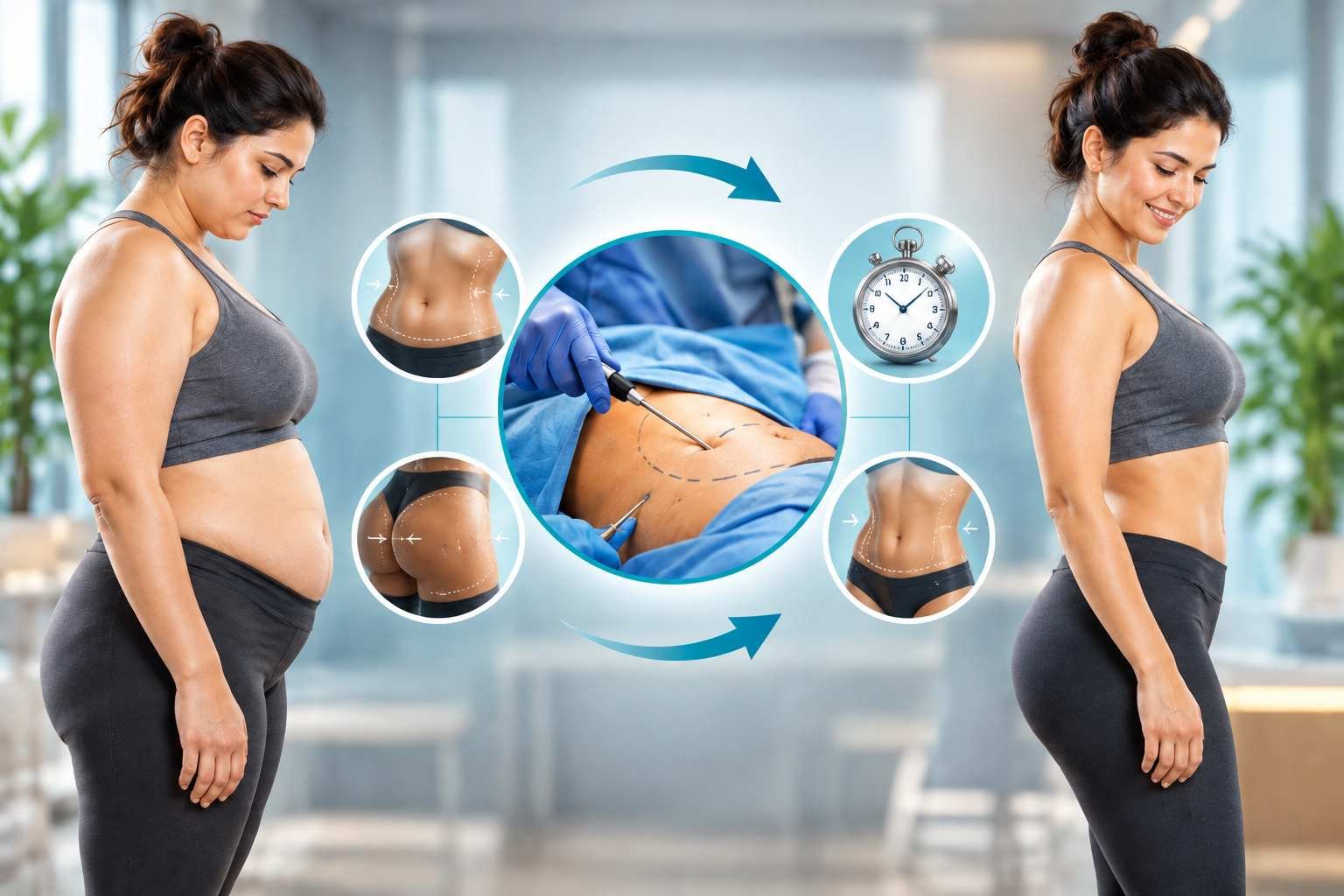
Liposuction is a surgical body-contouring procedure that removes excess fat deposits from specific areas of the body. It is commonly considered for areas where fat remains despite healthy eating and regular physical activity.
The procedure aims to improve body contours and proportions by removing localized fat. The areas treated may include the abdomen, waist, thighs, hips, back and upper arms, depending on an individual’s needs and medical assessment.
How Does Liposuction Work?
During liposuction, a surgeon uses a thin tube called a cannula to remove fat through small incisions in the skin. The technique, anaesthesia and extent of treatment depend on the areas being treated and the patient’s circumstances.
Is Liposuction a Weight-Loss Treatment?
Liposuction is primarily intended for body contouring, not for treating obesity or achieving substantial overall weight loss. It also does not reliably treat cellulite or significantly loose skin.
Exploring Liposuction With Izak Health Tech
Izak Health helps patients connect with relevant doctors to discuss liposuction, understand the procedure and explore whether it may be suitable for their goals.
A specialist can assess the areas of concern, explain the potential benefits and risks, and discuss the expected recovery process.
Request a Liposuction Consultation
Which Areas Can Liposuction Treat?
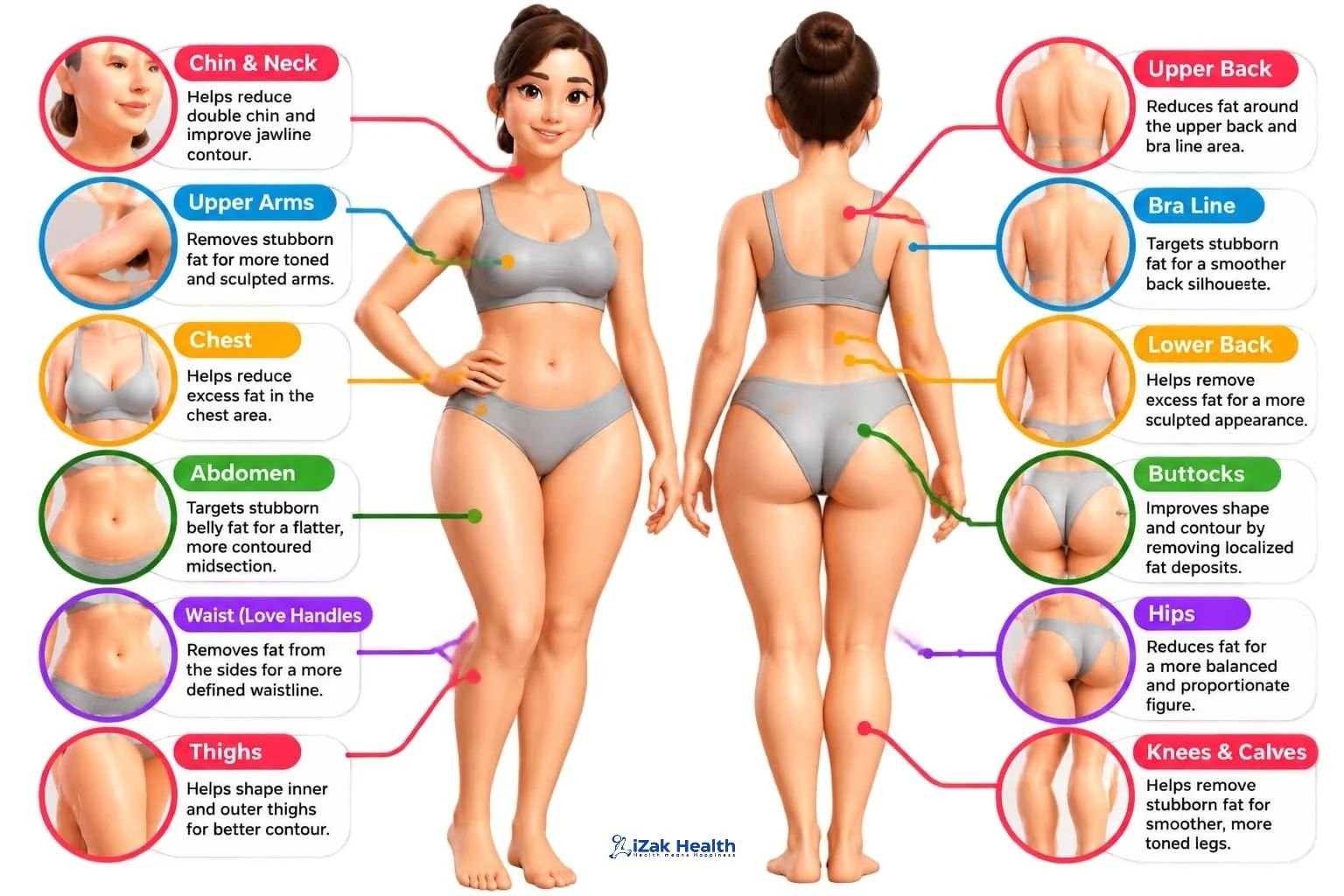
Liposuction can be used to remove localized fat deposits and improve body contours in selected areas. The most appropriate treatment areas depend on your anatomy, skin elasticity, health and desired results.
Abdomen and Waist
Liposuction may help reduce localized fat around the abdomen, waist and flanks, helping create more defined body contours.
Hips and Thighs
Treatment may address excess fat around the hips and inner or outer thighs, depending on individual needs and the surgeon’s assessment.
Arms and Back
Liposuction may help reduce localized fat deposits in the upper arms and back.
Chin and Neck
In selected patients, liposuction can help reduce localized fat beneath the chin or around the neck to improve contour.
Other Areas
Depending on the patient’s needs, other areas such as the chest, knees or calves may also be considered by a qualified surgeon.
Which Areas Are Suitable for You?
Not every treatment area is appropriate for every patient. A specialist will assess your goals, skin elasticity, health and the areas you want to address before recommending a procedure.
Izak Health helps patients connect with relevant doctors to discuss liposuction options and understand the next steps.
Discuss Your Liposuction Options
Who Is a Suitable Candidate for Liposuction?
Liposuction may be suitable for adults who want to improve their body contours by reducing localized fat deposits that remain despite healthy lifestyle habits.
The procedure is generally intended for people who are near a stable, appropriate weight and have realistic expectations about what surgery can achieve. A surgeon must assess each patient’s health, skin elasticity and treatment goals before recommending liposuction.
You May Consider a Liposuction Consultation If You:
Have localized pockets of fat around areas such as the abdomen, waist, thighs or arms.
Are maintaining a relatively stable weight but remain concerned about specific body contours.
Have skin with sufficient elasticity to adapt to the changes after fat removal.
Are in suitable overall health for surgery and recovery.
Understand that liposuction is intended for body contouring, not major weight loss.
When Might Liposuction Not Be the Right Option?
Liposuction may not address every body-shape concern. It is not a treatment for obesity, and it does not reliably correct loose skin or cellulite. People with certain medical conditions or factors that increase surgical risks may need further assessment or alternative treatment options.
How Can You Find Out If You Are Suitable?
A qualified surgeon can review your medical history, examine the areas you want to treat and discuss the expected results, limitations, risks and recovery requirements.
Izak Health helps patients connect with relevant doctors to discuss liposuction and explore appropriate treatment options.
Request a Liposuction Consultation
Benefits and Risks of Liposuction
Liposuction is designed to improve body contours by removing localized fat deposits. Understanding its potential benefits and limitations can help you decide whether to discuss the procedure with a qualified surgeon.
Potential Benefits of Liposuction
Targets localized fat: Addresses specific areas where fat deposits remain despite healthy lifestyle habits.
Improves body contours: May create more defined contours and proportions in treated areas.
Long-lasting results: Removed fat cells do not grow back, but remaining fat cells can enlarge if weight increases.
Personalized treatment: The surgeon can plan treatment according to the areas of concern, body shape and individual goals.
Possible Risks and Complications
Swelling and bruising: These are common after surgery and may take time to settle.
Changes in skin sensation: Temporary numbness or altered sensation may occur and can sometimes persist.
Uneven contours: The treated area may develop irregularities, asymmetry or loose skin.
Infection or fluid accumulation: These are possible complications that may require medical treatment.
Anaesthesia and surgical risks: More serious complications, including blood clots or injury to deeper structures, can occur.
What Results Can You Expect?
Liposuction can improve the shape of treated areas, but results vary between individuals. Swelling can initially obscure the outcome, and the final contour may take several months to become apparent.
Maintaining a stable weight can help preserve the results. Liposuction does not prevent future weight gain or replace a healthy lifestyle.
Make an Informed Decision
A qualified surgeon can assess your health, explain the risks specific to your procedure and discuss realistic expectations before you decide to proceed.
Request a Liposuction Consultation
What to Expect Before and After Liposuction
Knowing what to expect before and after liposuction can help you prepare for the procedure and make informed decisions about your treatment.
1. Initial Consultation
Discuss the areas you want to treat, your body-contouring goals and your medical history with a qualified surgeon. The surgeon will assess your suitability and explain the expected results, limitations and potential risks.
2. Medical Assessment and Preparation
Before surgery, your healthcare team may recommend a medical evaluation, investigations and adjustments to certain medications. You will receive instructions about preparing for the procedure, anaesthesia and arranging support for your return home.
3. The Liposuction Procedure
The surgeon makes small incisions and inserts a thin tube called a cannula to remove fat from the selected areas. The technique, anaesthesia and duration depend on the treatment plan and the amount of fat being removed.
4. Immediately After Surgery
Swelling, bruising, soreness and temporary changes in sensation are common after liposuction. Your healthcare team may provide dressings and recommend a compression garment to support healing and help manage swelling.
5. Recovery at Home
Follow your surgeon’s instructions for wound care, medication, bathing and activity. Gentle movement may be encouraged, while strenuous exercise and heavy activity should be avoided until your surgeon advises that it is safe to resume them.
6. Follow-Up and Results
Attend follow-up appointments so your surgeon can monitor healing and address concerns. Swelling gradually subsides, and the treated areas become more defined over time. The final results may take several months to become apparent.
Prepare for Your Liposuction Consultation
Every patient’s procedure and recovery are different. Speak with a qualified surgeon about preparation, expected downtime, aftercare and the results that may be realistic for you.
Request a Liposuction Consultation
What to Expect Before and After Liposuction
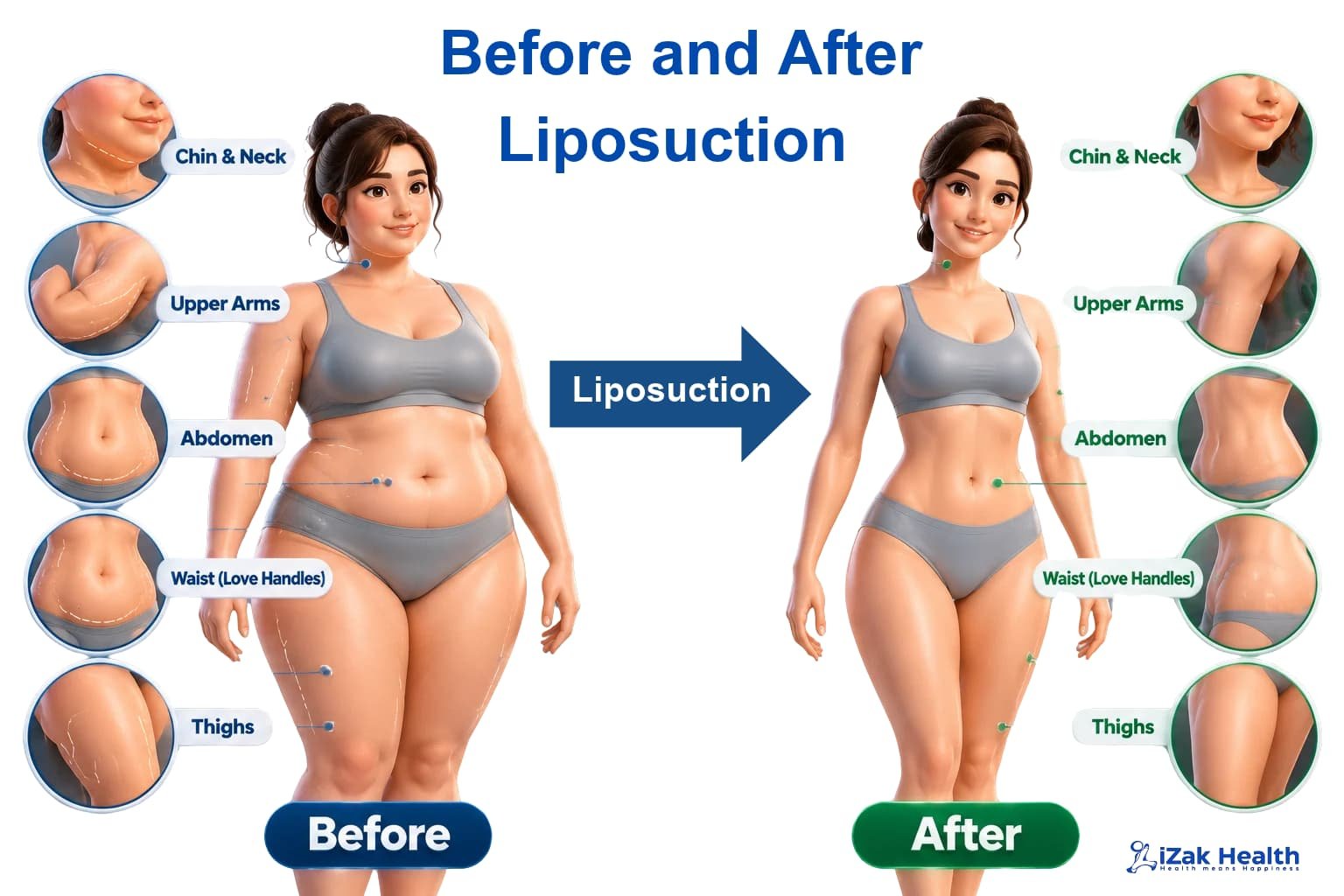
Knowing what to expect before and after liposuction can help you prepare for the procedure and make informed decisions about your treatment.
1. Initial Consultation
Discuss the areas you want to treat, your body-contouring goals and your medical history with a qualified surgeon. The surgeon will assess your suitability and explain the expected results, limitations and potential risks.
2. Medical Assessment and Preparation
Before surgery, your healthcare team may recommend a medical evaluation, investigations and adjustments to certain medications. You will receive instructions about preparing for the procedure, anaesthesia and arranging support for your return home.
3. The Liposuction Procedure
The surgeon makes small incisions and inserts a thin tube called a cannula to remove fat from the selected areas. The technique, anaesthesia and duration depend on the treatment plan and the amount of fat being removed.
4. Immediately After Surgery
Swelling, bruising, soreness and temporary changes in sensation are common after liposuction. Your healthcare team may provide dressings and recommend a compression garment to support healing and help manage swelling.
5. Recovery at Home
Follow your surgeon’s instructions for wound care, medication, bathing and activity. Gentle movement may be encouraged, while strenuous exercise and heavy activity should be avoided until your surgeon advises that it is safe to resume them.
6. Follow-Up and Results
Attend follow-up appointments so your surgeon can monitor healing and address concerns. Swelling gradually subsides, and the treated areas become more defined over time. The final results may take several months to become apparent.
Prepare for Your Liposuction Consultation
Every patient’s procedure and recovery are different. Speak with a qualified surgeon about preparation, expected downtime, aftercare and the results that may be realistic for you.
Request a Liposuction Consultation
Expert Doctors

Add Your Heading Text Here
Lorem ipsum dolor sit amet, consectetur adipiscing elit. Ut elit tellus, luctus nec ullamcorper mattis, pulvinar dapibus leo.
Add Your Heading Text Here
Lorem ipsum dolor sit amet, consectetur adipiscing elit. Ut elit tellus, luctus nec ullamcorper mattis, pulvinar dapibus leo.
Add Your Heading Text Here
Lorem ipsum dolor sit amet, consectetur adipiscing elit. Ut elit tellus, luctus nec ullamcorper mattis, pulvinar dapibus leo.
Frequently Asked Questions (FAQ)
1. What is liposuction surgery?
Liposuction is a surgical body-contouring procedure that removes localized fat deposits from specific areas of the body, such as the abdomen, waist, thighs and arms. It is intended to improve body contours rather than achieve substantial overall weight loss.
2. Which areas of the body can be treated with liposuction?
Common treatment areas include the abdomen, waist, hips, thighs, upper arms, back, chin and neck. The areas that can be treated depend on your anatomy, health and the surgeon’s assessment.
3. Is liposuction a weight-loss procedure?
Liposuction is primarily a body-contouring procedure, not a treatment for obesity. It is generally considered for people with localized fat deposits who want to improve specific body contours.
4. Are liposuction results permanent?
The fat cells removed during liposuction do not grow back. However, remaining fat cells can enlarge if you gain weight, which may affect your results. Maintaining a relatively stable weight can help preserve the improved contours.
5. Is liposuction painful?
Liposuction is performed using an appropriate form of anaesthesia. Soreness, swelling and discomfort can occur after the procedure, and the experience varies between patients. Your surgeon will explain how discomfort will be managed during recovery.
6. How long does it take to recover from liposuction?
Recovery depends on the areas treated, the amount of fat removed and your individual healing process. Swelling and bruising may last several weeks or longer, while the final contours can take several months to become apparent. Follow your surgeon’s advice about returning to work, exercise and normal activities.
7. Can liposuction remove loose skin or cellulite?
Liposuction removes fat; it does not reliably correct loose skin or cellulite. Skin elasticity affects the final contour, and some patients may need to discuss other procedures with their surgeon.
8. What are the risks of liposuction?
Possible risks include swelling, bruising, infection, changes in skin sensation, uneven contours and fluid accumulation. More serious complications can also occur. A qualified surgeon can explain the risks associated with your proposed procedure and how complications are managed.
9. How much does liposuction cost in Delhi NCR?
The cost varies depending on the areas treated, the technique used, the surgeon, the healthcare facility, anaesthesia and aftercare. Contact KenZen Health Tech to enquire about current pricing and what is included in the treatment plan.
10. How can I enquire about liposuction through Izak Health?
You can submit a consultation request through KenZen Health Tech. The team can help connect you with a relevant doctor to discuss your goals, suitability, treatment options, costs and next steps.
Explore Bariatric Surgery Options With Izak Health
Considering weight loss surgery to help manage obesity? The first step is understanding your options and receiving the right medical guidance.
Izak Health Tech helps patients connect with doctors who provide bariatric treatment at the healthcare facilities where they practise. Discuss your weight-management goals, learn about available procedures and understand the potential benefits, risks, costs and recovery requirements.
Take the Next Step
Request a consultation to discuss your needs and explore whether bariatric surgery may be suitable for you.
Treatment recommendations depend on an individual medical assessment by a qualified healthcare professional.
izak Health is a doctor-founded healthcare organisation helping patients access specialised medical and surgical treatment through doctors and healthcare facilities where they practise.
izak Health
Treatments
Policies
Book Appointment
©2026 Izak Health All Rights Reserved.